The Beginner's Guide to Reformer Pilates: What to Expect in Your First Denver Class
Walking into your first Reformer Pilates class can feel intimidating: especially when you're dealing with sore muscles, chronic pain, or recovering from an injury. But here's the thing: Reformer Pilates might be exactly what your body needs to heal, strengthen, and feel better than it has in years. Whether you're a Denver professional dealing with desk-related aches or an active person looking to support your recovery routine, your first class is the beginning of a journey toward better movement and pain relief.
What Makes Reformer Pilates Different for Recovery
Unlike high-impact workouts that can stress already tired muscles, Reformer Pilates works with your body's natural healing process. The machine itself is designed to support you, literally. Those springs and straps aren't just fancy equipment; they're your recovery allies, providing assistance when you need it and gentle resistance to rebuild strength safely.
The beauty of the Reformer lies in its adaptability. Dealing with a lower back issue? The machine can support your spine while you work on core stability. Recovering from a shoulder injury? The adjustable springs let you work within your comfortable range of motion while gradually building strength. This isn't about pushing through pain: it's about working with your body as it heals.
Before You Walk Through the Door
Arrive Early and Speak Up
Get to your Denver studio about 15 minutes early for your first class. This gives you time to fill out any intake forms and, most importantly, talk with your instructor about your recovery goals or any areas of concern. Whether it's chronic neck tension from working at a computer or you're coming back from a sports injury, your instructor needs this information to help modify exercises and ensure you're getting the most from your session.
Don't be shy about mentioning specific pain points or limitations. Experienced instructors in Denver's wellness community are well-versed in working with recovery-focused clients and can adjust the class to meet your needs.
What to Wear and Bring
Comfort is key, especially when you're focusing on recovery. Wear fitted but stretchy clothing that allows you to move freely: think yoga pants and a comfortable top. Avoid anything too loose that might get caught in the equipment. Most studios provide grip socks, but if you have foot or ankle issues, let your instructor know so they can suggest the best footwear options.
Bring a water bottle and arrive hydrated. Recovery work can be surprisingly demanding, even though it feels gentler than other workouts.
Understanding the Reformer: Your Recovery Partner
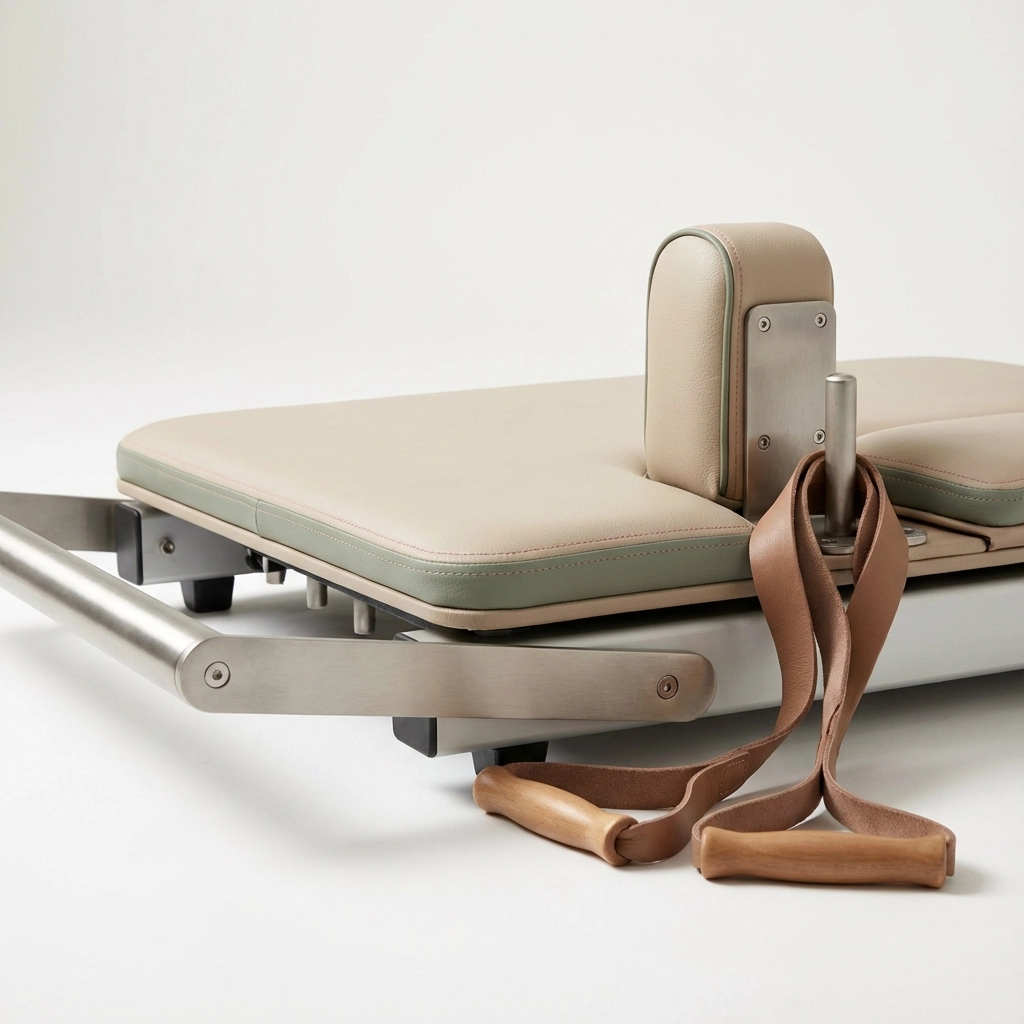
The Reformer machine might look complex, but it's actually designed with recovery and rehabilitation in mind. Originally created by Joseph Pilates to help injured soldiers, every component serves a purpose in supporting your healing journey.
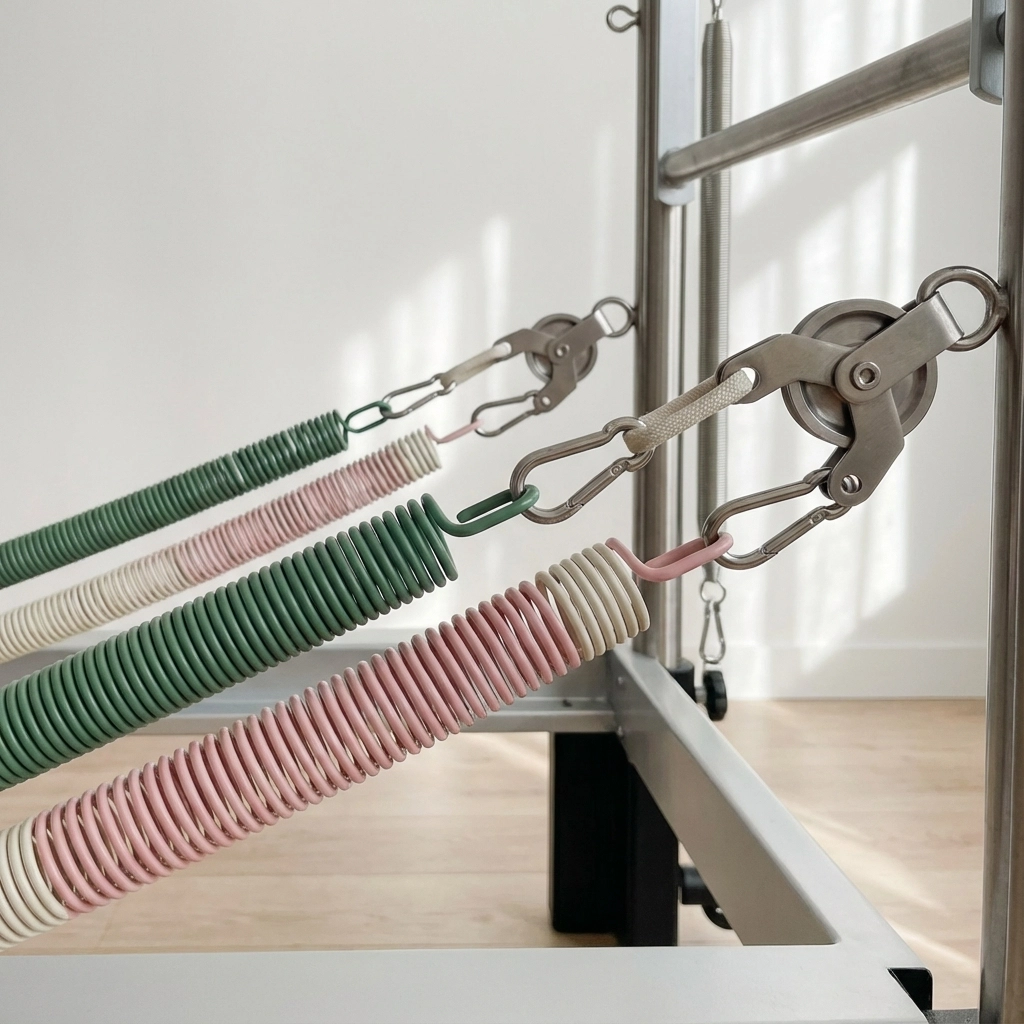
The adjustable springs are the heart of the machine's recovery benefits. Heavier springs provide more support and stability: perfect when you're working through movement limitations or need extra assistance. As you progress, lighter springs challenge your stabilizing muscles more, helping rebuild the deep core strength that's essential for preventing future injuries.
The sliding carriage allows for smooth, controlled movements that reduce joint impact while still providing effective strengthening. This is especially beneficial if you're dealing with arthritis, joint stiffness, or recovering from impact-related injuries.
Your First Class: What Actually Happens
The Warm-Up: Gentle Awakening
Your class will start slowly, which is perfect for recovery-focused work. Expect to begin with breathing exercises and gentle spinal movements that help your nervous system settle and your muscles prepare for movement. This isn't just filler: proper breathing is crucial for recovery, helping deliver oxygen to healing tissues and activating your core stabilizing muscles.
Building Movement Patterns
Unlike gym workouts that might jump into intense exercises, Reformer Pilates builds movement layer by layer. You'll start with basic exercises that establish proper alignment and core engagement: essential foundations for long-term recovery and injury prevention.
Common first-class exercises include:
Footwork sequences that gently activate your legs while teaching proper alignment
Modified Hundred for core activation without straining your neck
Leg circles that improve hip mobility: crucial if you spend long days sitting at a desk
Gentle spinal articulation exercises that restore movement to stiff vertebrae
Each exercise can be modified based on your recovery needs. Dealing with wrist issues? Your instructor can suggest alternatives. Lower back sensitivity? Movements can be adjusted to keep you comfortable while still being effective.
The Recovery Benefits You'll Start Feeling
Improved Posture and Pain Relief
Many Denver professionals find that their first few Reformer classes start addressing the root causes of their daily aches and pains. The machine's design naturally encourages proper spinal alignment, and the controlled movements help retrain muscles that have developed poor habits from prolonged sitting or repetitive activities.
Better Sleep and Stress Relief
The controlled, mindful nature of Reformer Pilates activates your parasympathetic nervous system: your body's "rest and digest" mode. Many beginners report sleeping better after their first few classes, which is crucial for recovery since most tissue repair happens during sleep.
Enhanced Body Awareness
One of the most valuable recovery benefits is developing better body awareness. As you work through exercises, you'll start noticing tension patterns, movement compensations, and areas that need attention. This awareness is the first step in preventing future injuries and managing existing conditions more effectively.
Tips for Success in Your Denver Studio
Start with Beginner Classes
Denver has excellent studios offering beginner-specific classes that move at a pace appropriate for newcomers and those focusing on recovery. These classes typically have smaller sizes, allowing for more individual attention and modifications.
Consistency Over Intensity
For recovery benefits, consistent gentle practice beats occasional intense sessions. Many Denver studios offer package deals that make regular attendance more affordable: and your body will thank you for the consistent, supportive movement.
Listen to Your Recovery Signals
Unlike high-intensity workouts where you might "push through," Reformer Pilates teaches you to work with your body's signals. Feeling tired? The springs can provide more assistance. Having a good day? You can challenge yourself a bit more. This adaptability makes it perfect for recovery-focused fitness.
What Makes Denver's Pilates Scene Special for Beginners
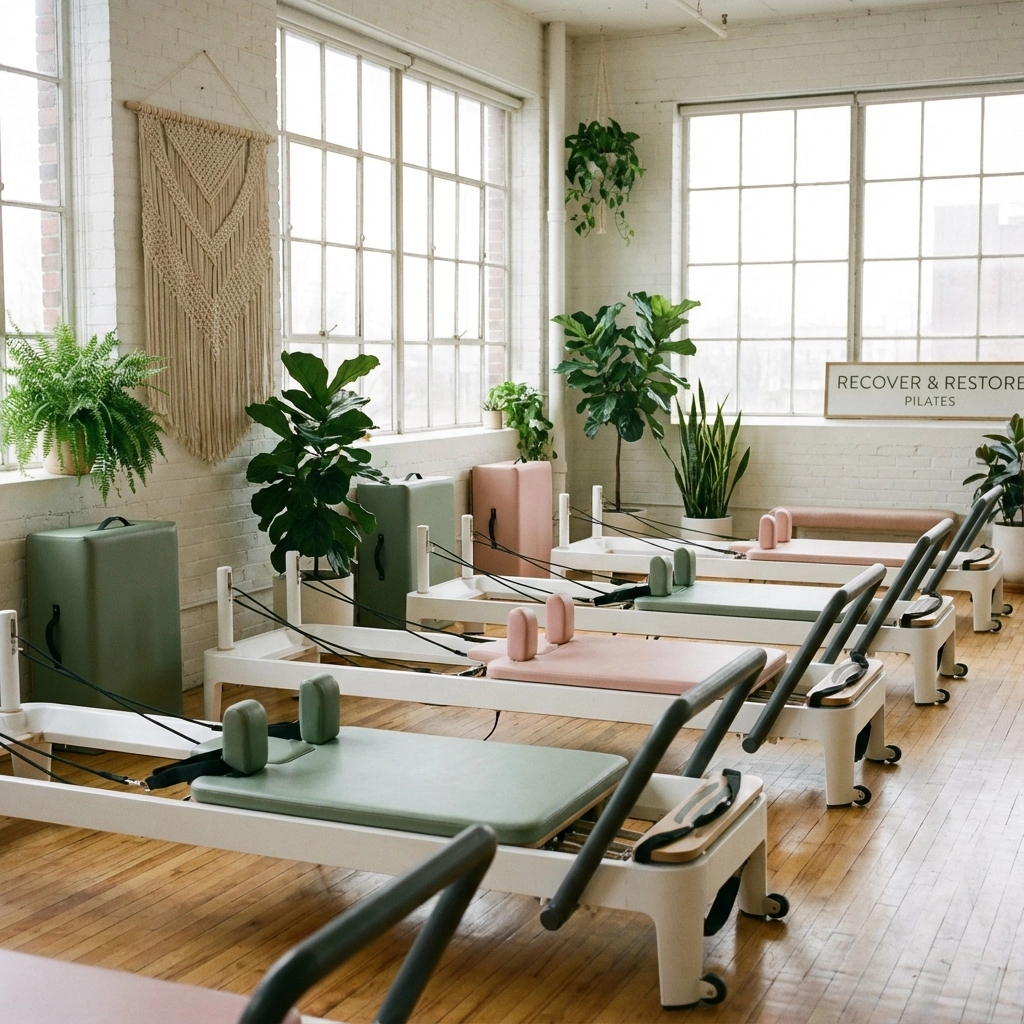
Denver's wellness community understands that many people come to Pilates for recovery and rehabilitation. The city's active lifestyle means many instructors have extensive experience working with everything from desk-job-related issues to sports recovery.
Local studios often integrate other recovery modalities, and many instructors have additional training in physical therapy or massage, bringing a deeper understanding of how movement supports healing.
Setting Realistic Recovery Expectations
The famous Pilates saying goes: "In 10 sessions you'll feel the difference, in 20 sessions you'll see the difference, and in 30 sessions you'll have a whole new body." For recovery-focused practice, this timeline often holds true, but the "feeling different" part might happen even sooner.
Many people notice improved sleep, less daily stiffness, and better posture within their first few sessions. The visible changes: stronger core, better posture, reduced pain episodes: typically develop over several weeks of consistent practice.
Beyond Your First Class
Your first Reformer Pilates class is just the beginning of your recovery journey. As you become more comfortable with the equipment and movements, you'll be able to progress to more challenging variations that continue supporting your healing and strength-building goals.
The key is approaching each session with patience and curiosity rather than the "no pain, no gain" mentality that can actually hinder recovery. Reformer Pilates teaches you that gentle, consistent, and mindful movement can be incredibly powerful for healing and long-term wellness.
Remember, every person's recovery journey looks different. Your instructor will work with you to ensure each session supports your specific needs, whether that's addressing chronic pain, recovering from injury, or simply feeling better in your daily life. Take that first step: your body will thank you for choosing such a supportive, recovery-focused approach to movement.

Comments